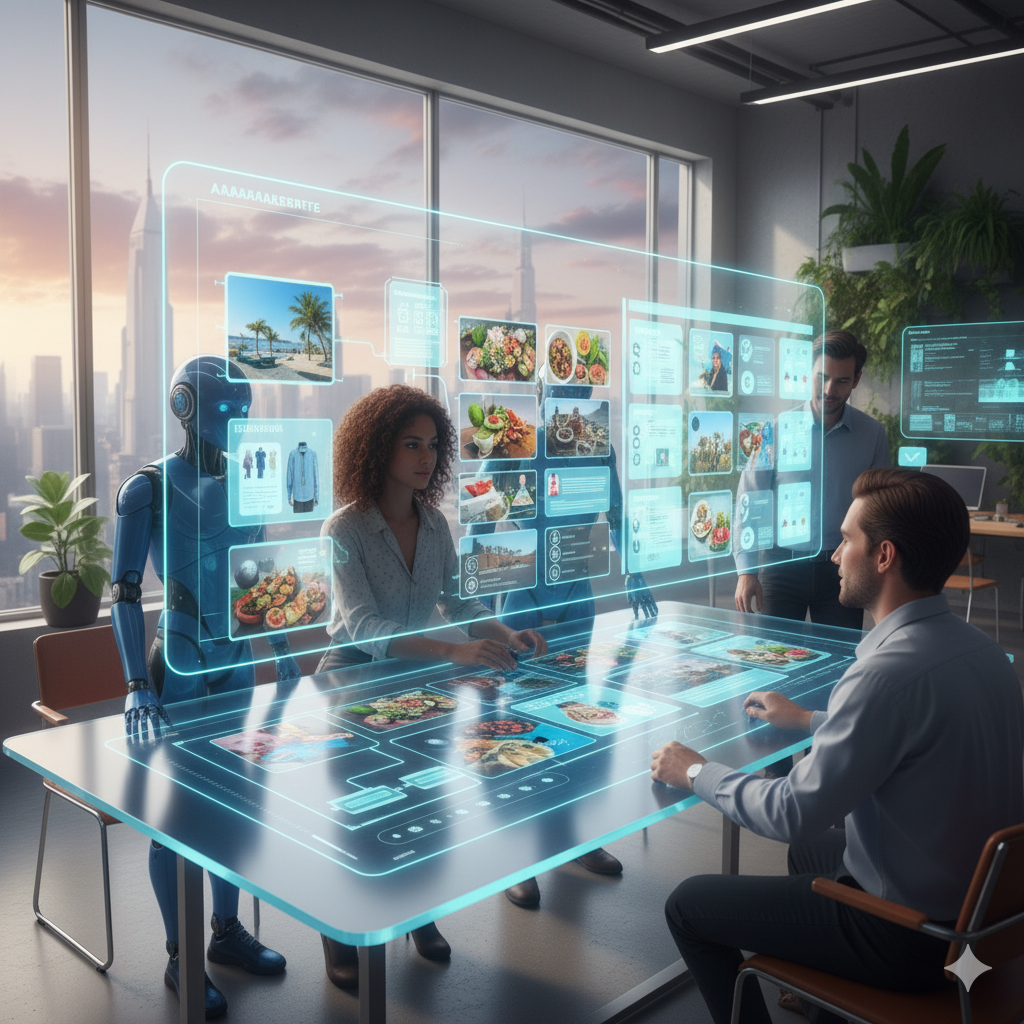
The Future of Web Development: Trends to Watch
The Future of Web Development: Trends to Watch in 2026
As we approach 2026, the landscape of web development is set to undergo significant transformation. Driving forces like emerging technologies, evolving user expectations, and the demand for more interactive and efficient sites are at the forefront of this evolution. In this blog post, we’ll delve into the most prominent trends poised to shape the future of web development.
1. AI-Powered Development Tools
Artificial Intelligence (AI) is becoming an integral part of web development. From automated coding assistants that help developers write code quickly and efficiently to machine learning algorithms that personalize user experiences, AI tools are revolutionizing how websites are built and managed. Expect more tools to leverage AI for tasks like debugging, testing, and even optimizing user interfaces based on user behavior data.
2. JAMstack Architecture
The JAMstack (JavaScript, APIs, and Markup) architecture continues to gain traction as developers seek faster, more secure, and scalable web applications. By decoupling the front end from the back end, JAMstack provides greater flexibility and improves performance. With headless CMS options and static site generators becoming more prevalent, this architecture will likely dominate the web development field in 2026.
3. Progressive Web Apps (PWAs)
Progressive Web Apps bridge the gap between web and mobile applications, offering a fast, reliable, and engaging user experience. PWAs combine the best of both worlds, providing offline capabilities, push notifications, and performance enhancements. In 2026, businesses will increasingly adopt PWAs to offer seamless user experiences across platforms without the need for separate mobile applications.
4. Serverless Architecture
Serverless computing is continuing to simplify backend development, allowing developers to focus on writing code while the cloud service provider manages server infrastructure. This approach reduces operational costs and ensures scalability as applications grow. With major cloud providers enhancing their serverless offerings, expect an uptick in serverless architectures in web development workflows.
5. Enhanced Cybersecurity Measures
As web threats become more sophisticated, a stronger emphasis on cybersecurity will be crucial. Developers will need to integrate security measures from the ground up, adopting practices like secure coding, regular updates, and enhanced encryption methods. Expect to see frameworks and tools that prioritize security features as integral components of the development process.
6. Low-Code and No-Code Development
Low-code and no-code platforms are democratizing web development by enabling non-developers to create applications. As these platforms evolve, they will provide more advanced functionalities, allowing for complex applications to be built without extensive coding knowledge. This trend will empower businesses to innovate faster and adapt to changing market demands.
7. Sustainable Web Development
With increasing awareness of environmental issues, sustainable web development is gaining importance. Developers are focusing on optimizing performance to reduce energy consumption and carbon footprints. Practices like efficient coding, optimizing images, and minimizing server requests can significantly contribute to more sustainable websites.
8. Voice-Activated Interfaces
Voice technology is making its way into web development, driven by the rise of virtual assistants and smart devices. Websites optimized for voice search and navigation will enhance accessibility and user experience. In 2026, expect voice-activated interfaces to become a standard feature across many websites, facilitating easier interactions for users.
9. 3D and Immersive Technologies
As web technologies advance, 3D elements, Virtual Reality (VR), and Augmented Reality (AR) are becoming more common in web applications. These immersive experiences are expected to enhance user engagement and provide interactive ways to present information. E-commerce, education, and entertainment sectors will particularly benefit from these technologies.
Conclusion
The web development landscape in 2026 promises a wealth of opportunities and innovations. Staying abreast of these trends will not only help developers enhance their skillsets but also enable businesses to create more effective and engaging online experiences. Embracing these changes will be critical as we move toward a more connected and digital future. So, whether you're a developer, a business owner, or just a tech enthusiast, keep these trends in mind as they will likely shape the web for years to come.

Comments (0)
No comments yet. Be the first to comment!
Leave a Comment